Tick-Tach Is A DIY Timegrapher For Under $30
TallmanLabs built a piezo-microphone timegrapher that measures a mechanical watch's rate, amplitude, and beat error without the cost of a commercial acoustic probe.
Not every watch hack is a watch — some are tools for keeping the watches you already own running well. Tick-Tach, built by TallmanLabs (Rupert Hirst, going by the handle koogar), is a DIY timegrapher built for hobbyists who’d rather not pay commercial prices for a niche diagnostic tool.
What They Built
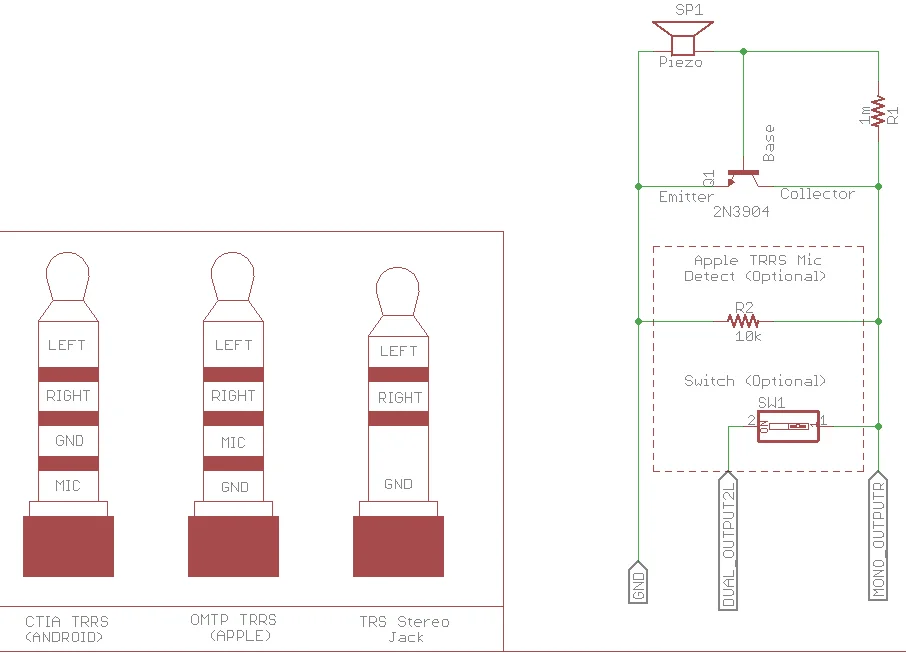
A timegrapher listens to a mechanical watch’s ticking and turns it into three numbers that matter to anyone regulating a movement: rate (how many seconds it gains or loses per day), amplitude (how far the balance wheel swings, an indicator of the movement’s available power), and beat error (how evenly spaced the tick and tock are). Tick-Tach gets there with a 30mm piezoelectric microphone instead of an expensive dedicated acoustic sensor, amplified through a transistor-based preamp.
How They Did It
The electronics live in a custom 3D-printed enclosure with a circular recess sized to seat a watch, a cavity for the piezo sensor, an integrated preamp board, and a headphone-style jack for output — plus a hair bobble built into the design to hold the watch in place while testing it in different positions. On the software side, it’s compatible with existing open-source timegrapher tools: tg-timer and PC Timer Machine on desktop, and Watch Accuracy Meter on Android.
Why It’s Worth Your Time
Commercial timegraphers can run into the hundreds of dollars, which puts real diagnostic capability out of reach for a lot of hobbyists and independent watch repairers. Tick-Tach lowers that barrier substantially while staying compatible with software people may already be using.
Go See It
TallmanLabs’s design files are on GitHub, with the full project writeup on Hackaday.io.
Comments
No comments yet — be the first.